Dustwood: The Slab Serif That Brings Joyful Character
There's a moment in every design project where you need a font that doesn't just sit there looking pretty—it needs to work. It needs to grab attention from across the room, hold up on a tiny phone screen, and somehow still feel warm and approachable. That's a surprisingly tall order for most typefaces, but Dustwood manages to pull it off with a kind of effortless charm that's hard to ignore.
What Makes Dustwood Feel So Different
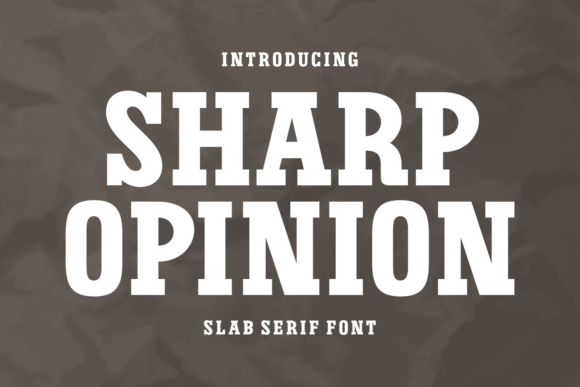
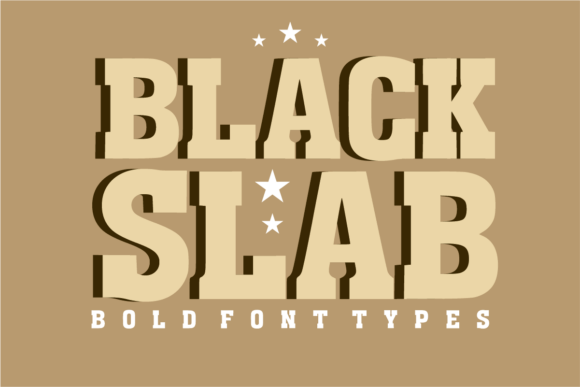
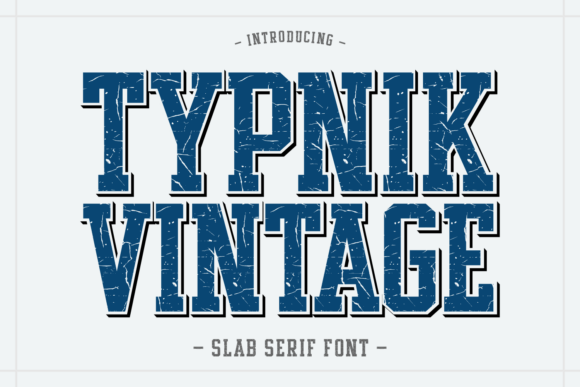
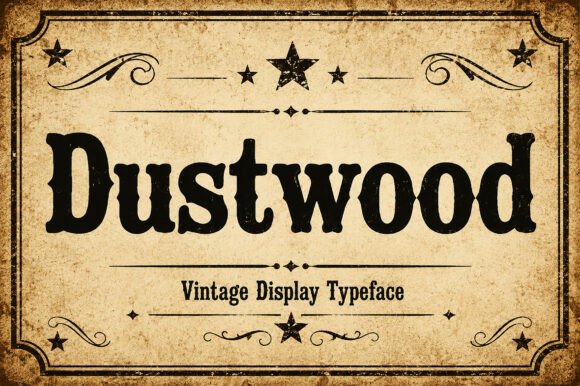
At first glance, Dustwood reads as a bold slab serif with substantial letterforms that command space. Look closer, though, and you'll notice something that sets it apart from the typical heavy hitters in the slab serif category. The edges aren't perfectly uniform. There's a subtle irregularity to the curves and terminals, a gentle imperfection that gives each letter a handcrafted quality. It's the typographic equivalent of a well-worn leather journal—sturdy and reliable, but with personality baked into every crease.
The serif details are soft rather than sharp, which means Dustwood avoids that cold, industrial feel you sometimes get with slab serifs. Instead, it lands in a sweet spot between boldness and warmth. The result is a typeface that draws the eye without shouting, that feels energetic without being chaotic. For anyone working on projects where tone matters—and when doesn't it?—that balance is genuinely valuable.
Where This Typeface Really Shines
Let's talk about real applications, because a font is only as good as what you can actually do with it.
Logo design and brand identity are probably where Dustwood feels most at home. If you're building a brand that needs to feel upbeat, playful, or approachable—think artisan food products, boutique retail shops, creative agencies, children's brands, or indie lifestyle companies—this typeface gives you instant personality. It's distinctive enough to be memorable but legible enough to work at various sizes, which is exactly what you need when a logo has to live everywhere from a favicon to a storefront sign.
Packaging design is another natural fit. Dustwood's substantial weight means it holds its own on shelf displays, while its handcrafted vibe communicates quality and care. Picture it on a coffee bag, a candle label, a craft beer bottle, or a box of artisan chocolates. The font does a lot of the heavy lifting in terms of brand storytelling before a customer ever reads a single word of copy.
For social media graphics, Dustwood solves a problem that content creators and marketers deal with constantly: standing out in a crowded feed. Bold display fonts catch the eye during the split-second scroll, and Dustwood's playful character makes quote graphics, promotional announcements, and story templates feel fresh rather than generic. It pairs particularly well with clean sans serif fonts for body text, creating visual hierarchy that guides the viewer's attention exactly where you want it.
Print materials like posters, flyers, and event invitations benefit from Dustwood's readability at larger sizes. The slightly irregular edges add visual interest that keeps a poster from feeling sterile, while the strong letterforms ensure the message comes through clearly even from a distance. For greeting cards, book covers, and editorial layouts, it brings a warmth that purely geometric or overly polished typefaces often lack.
Then there's merchandise and apparel. T-shirt designs, tote bags, mugs—anywhere you need a font that looks good stretched across a physical product. Dustwood's bold character translates beautifully to print-on-demand and screen printing, where fine details can sometimes get lost. The substantial weight and clear letterforms hold up well across different production methods.
Practical Tips for Getting the Most Out of Dustwood
Choosing a font is only half the battle. Using it well is where the real craft comes in.
Start with your project goals. Before you even open your design software, ask yourself what feeling you want to communicate. Dustwood leans toward playful, bold, and approachable. If your brand voice is ultra-minimalist or extremely corporate, it might not be the right match—and that's okay. The best typography choices start with honest self-assessment about what you're trying to say.
Test font pairings early. Dustwood works beautifully as a headline or display font, but you'll almost certainly need a companion for body text. Try pairing it with a clean sans serif like a geometric or humanist typeface for longer passages. The contrast between Dustwood's textured personality and a simpler secondary font creates visual rhythm that keeps layouts feeling balanced. Spend time experimenting before committing—what looks great in a font specimen sheet doesn't always work in context.
Pay attention to sizing and spacing. Display fonts like Dustwood are designed to be seen at larger sizes, so resist the temptation to use it for paragraphs of small text. At smaller sizes, the subtle irregularities that give it character can start to feel muddy. Use it where it has room to breathe: headlines, subheadings, pull quotes, logo wordmarks, and call-to-action text.
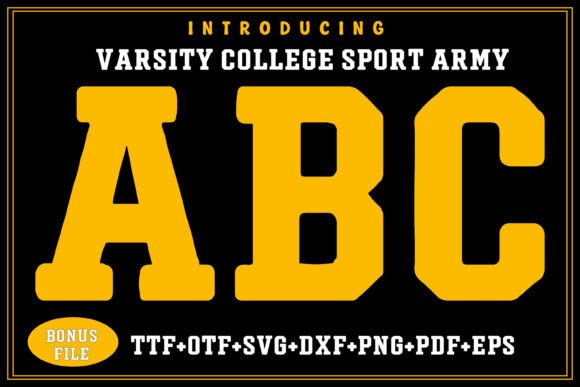
Check the included styles. Most premium fonts come with multiple weights, alternates, or stylistic variations. Before you start designing, take inventory of what's included. You might find alternate characters or ligatures that add extra flair to specific words or letter combinations. Understanding your full toolkit prevents you from overlooking details that could elevate your work.
Don't forget about licensing. If you're using Dustwood for commercial projects—client work, products for sale, business branding—make sure your license covers that use. Most premium font licenses distinguish between personal and commercial use, and some have specific terms for things like app embedding or large-scale distribution. It's a small administrative detail that saves headaches down the road.
Beyond the Obvious: Unexpected Places to Use a Font Like This
Sure, logos and posters are the go-to applications, but creative professionals are using typefaces like Dustwood in ways that might surprise you.
Digital products and course materials benefit from distinctive typography that sets them apart from the sea of default fonts. If you're selling an ebook, a workbook, or an online course, Dustwood on your cover pages and section headers instantly communicates that this isn't a hastily thrown-together PDF.
Website headers and hero sections are increasingly moving toward expressive display typography. A bold slab serif like Dustwood used for your main headline creates immediate visual impact while your body text stays clean and readable in a complementary sans serif. It's a simple technique that makes websites feel more designed and intentional.
Presentation decks and pitch materials often suffer from boring, generic typography. Swapping in a font with real character—even just for slide titles—can make the difference between a deck that gets skimmed and one that holds attention.
Children's products and educational materials are a particularly strong use case. Dustwood's playful personality and excellent legibility make it a natural fit for kids' books, activity sheets, classroom materials, and youth-oriented branding. It feels fun without being infantile, which matters when you're designing for both children and the adults who make purchasing decisions.
Building a Consistent Visual Language
One of the most underrated benefits of finding the right display font is what it does for your overall brand consistency. When you commit to a typeface like Dustwood and use it strategically across your touchpoints—your website headers, your Instagram graphics, your packaging, your email newsletters—you create a visual thread that ties everything together. Customers start to recognize your brand before they even read the words. That kind of recognition doesn't happen by accident; it's the result of thoughtful, consistent typography choices.
The key is restraint. Use Dustwood where it has the most impact, support it with complementary fonts for other purposes, and apply it consistently across every piece of communication. Over time, that consistency compounds into something powerful: a brand that feels cohesive, intentional, and unmistakably you.
Whether you're a designer building a client's brand from scratch, a small business owner creating your own materials, or a content creator looking for a font that brings genuine personality to your graphics, Dustwood offers something that's increasingly rare in the world of digital typography—a typeface with real soul that also happens to be remarkably practical. And in a landscape full of forgettable fonts, that combination is worth paying attention to.