Happy Mommy: The Typeface That Feels Like a Warm Hug
There’s a moment in every creative project when you realize the words are right, the layout is solid, but the personality is missing. It’s flat. It lacks that human spark that makes someone stop scrolling, lean in, and feel something. This is the gap that a thoughtfully crafted typeface is designed to fill, and it’s where a font like Happy Mommy truly shines. It’s not just a collection of letters; it’s a design asset with a distinct, approachable character that can transform the mundane into the memorable.
Understanding Its Visual Soul
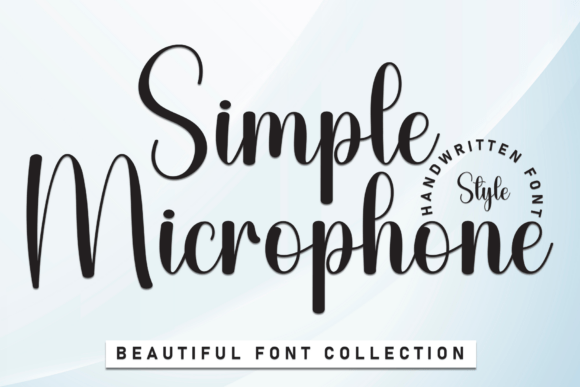
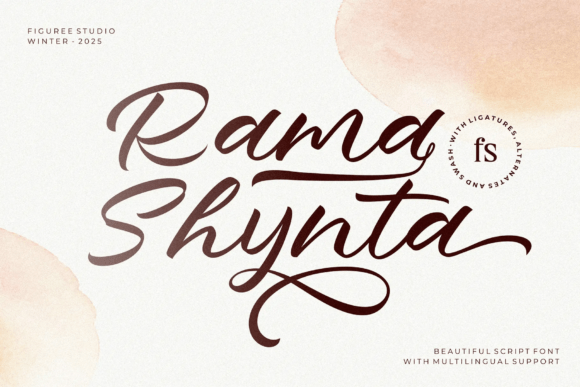
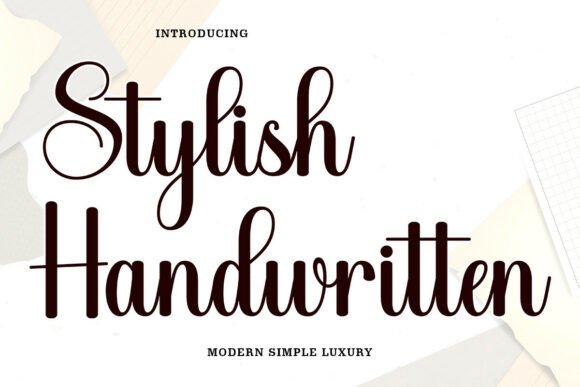
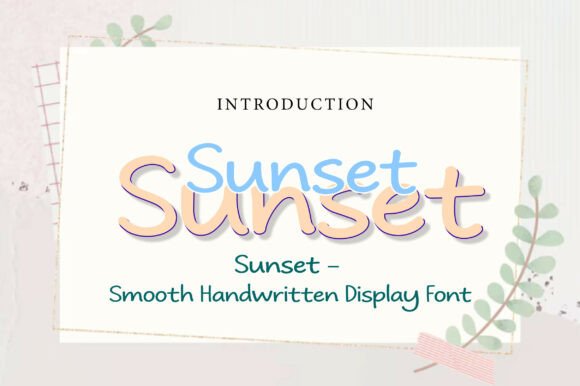
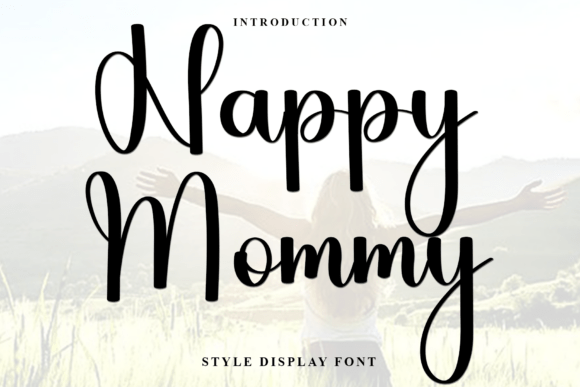
At its core, this is a display font with a soft, handwritten aesthetic. But that simple description doesn’t capture its essence. Imagine the gentle pressure of a felt-tip pen on textured paper, where each letterform carries a slight, natural imperfection. The strokes are smooth and flowing, yet they possess a unique weight that prevents them from looking flimsy or overly delicate. This balance is its superpower. It feels personal and crafted, like something made by hand, which instantly builds a layer of authenticity and warmth into any project it touches. It’s a premium font in the sense of its emotional resonance, offering a quality that goes beyond technical precision.
Unlike a rigid sans serif font or a traditional serif font, this typeface sits in a special category. It’s more polished than a casual script font, yet far more expressive than a standard modern typography choice. This versatility is key. It can whisper sophistication in a wedding invitation or shout excitement on a social media graphic, all while maintaining its core identity of friendly elegance.
Practical Magic: Where This Font Comes Alive
Theory is nice, but application is everything. Let’s talk about where a font with this personality can solve real design problems and create tangible value for your brand or project.
For Branding & Logo Design: If you’re building a brand identity for a bakery, a boutique, a wellness coach, or a children’s product line, you need a typeface that communicates your values at a glance. Happy Mommy can become the cornerstone of your visual identity. Used in a logo, it immediately tells a story of care, creativity, and approachability. It’s a commercial font that works hard to make your first impression a lasting and positive one.
In Packaging Design & Merchandise: On a shelf crowded with competitors, packaging needs to connect emotionally. This font’s distinctive strokes make product names pop on labels for artisanal goods, cosmetics, or gourmet foods. It translates beautifully onto merchandise like tote bags, mugs, and t-shirts, where its unique character adds perceived value and turns a simple item into a statement piece.
Across Digital & Social Media: In the fast-paced world of web design and social media graphics, grabbing attention is non-negotiable. This creative font is perfect for Instagram story quotes, Pinterest pins, YouTube thumbnails, and website headers. It adds a burst of personality that standard web-safe fonts can’t match, helping to increase audience engagement and make your content more shareable. It’s a design asset that pays for itself in increased visibility.
For Print & Editorial Projects: Think beyond the screen. This typeface brings life to print materials like posters, flyers, and invitations. Its readability at larger sizes makes it ideal for headlines in editorial layouts or chapter titles in self-published books. For a blogger or content creator designing a printable worksheet or e-book cover, it offers a professional, cohesive look that elevates the entire product.
Making It Work: Practical Pairing and Application Tips
Finding a beautiful font is step one. Knowing how to use it effectively is what separates good design from great design. Here’s how to integrate a characterful font like this into your workflow without a hitch.
Mastering Font Pairing: The golden rule of typography is contrast and complement. A font with this much personality should rarely stand alone in body text. Pair it with a clean, neutral sans serif font for paragraphs. For example, use Happy Mommy for your main headline, then use a font like Lato or Open Sans for the supporting text. This creates a clear visual hierarchy, ensuring your designs are both beautiful and highly readable.
Readability is King: Always test your chosen font in context. A typeface that looks stunning in a large logo might become illegible when used at 12 points in a long paragraph. Use this font for headlines, short phrases, logos, and pull quotes. For extended reading, stick to a more conventional serif or sans serif font designed for body copy. This ensures your professional presentation isn’t compromised by style over substance.
Explore the Included Styles: Many premium fonts come with a family of styles. Check if this typeface includes variations like bold, light, or italic. Using these different weights can add nuance to your designs, allowing you to emphasize certain words or create subtle visual differences without introducing another font, thereby strengthening your visual consistency.
License with Confidence: Before using any font for a commercial project—whether it’s a client logo, a product for sale, or a marketing campaign—verify the licensing. A truly professional-grade commercial font will have clear terms that cover these uses, giving you peace of mind and protecting your work. This is a non-negotiable step in any professional design process.
Final Thoughts on Creative Expression
Choosing a typeface is a creative decision that has ripple effects across an entire project. It’s not about chasing trends, but about finding a tool that aligns with the story you want to tell. A font like Happy Mommy offers a specific voice: one that is warm, authentic, and effortlessly charming. It’s a reminder that in a world of digital perfection, there’s immense power in a human touch. Whether you’re refining a brand identity, crafting a social media campaign, or designing a personal project, the right typography doesn’t just present information—it creates a feeling. And that feeling is what builds connection, recognition, and lasting appeal.