Groovy Retro: The Funky Font Bringing 70s Charm to Modern Design
Sometimes a project needs more than just clean lines and neutral colors. It needs a personality that pops, a vibe that’s instantly recognizable, and a visual language that feels both nostalgic and fresh. That’s where Groovy Retro enters the scene. This isn’t just another display font; it’s a direct channel to the playful, bold, and optimistic energy of the 1970s, wrapped up in a design package that’s surprisingly versatile for today’s creative landscape. If you’ve been searching for a typeface that can inject instant character into a brand, a poster, or a social media feed, you’ve likely just found your new favorite tool.
A Typeface with a Personality
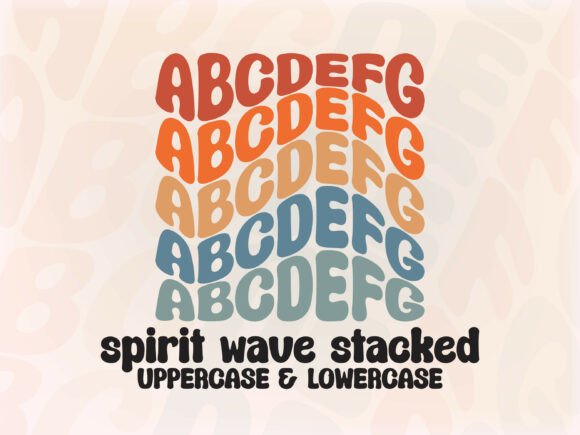
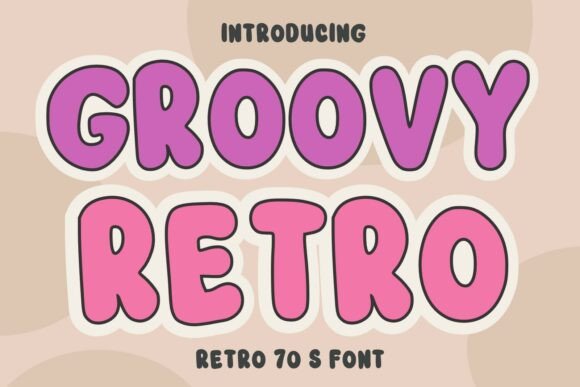
At its core, Groovy Retro is a chunky, rounded display font that feels like it was lifted straight from a vintage concert poster or a funky album cover. The letterforms are thick and friendly, with soft curves and bold outlines that make them pop off any background. This isn’t a delicate script or a rigid sans serif font; it’s a statement piece. The cheerful, almost cartoonish quality of the letters makes it incredibly approachable, which is a huge asset when you want your design to communicate fun, creativity, and a touch of whimsy.
What makes it work so well is its balance. While it’s undeniably retro, it avoids feeling dated or kitschy in a way that’s hard to use. The design is thoughtful, with consistent proportions and a rhythm that keeps text readable even at larger sizes. For a designer, this means you get all the visual impact of a vintage typeface without sacrificing the clarity your project needs. It’s a premium font that understands its role: to be the star of the show without overwhelming the entire performance.
Where This Font Truly Shines: Practical Applications
Thinking about where a font like Groovy Retro fits best is where the fun really starts. Its bold, graphic nature makes it ideal for projects where you need to grab attention immediately. Consider its use in branding and logo design. For a small business—maybe a vintage clothing shop, a record store, a specialty coffee roaster, or a kids’ toy brand—this font can become the cornerstone of a memorable brand identity. It sets a tone that’s friendly and distinctive, helping you stand out in a crowded market.
Beyond logos, the applications are nearly endless. Imagine it on packaging design, where the font’s playful curves can make a product feel more inviting and fun on a shelf. On social media graphics, it’s a powerhouse. A single word or phrase set in Groovy Retro can stop the scroll, making it perfect for Instagram stories, YouTube thumbnails, or Facebook event banners. It translates beautifully to merchandise like t-shirts, stickers, and tote bags, where its graphic quality holds up well in printing. For event invitations, blog headers, or even the title treatment on a digital product like an ebook or online course, it adds a layer of personality that standard fonts simply can’t match.
Making It Work: Pairing and Practicality
Using a display font effectively is all about context and pairing. You wouldn’t set an entire paragraph of body copy in Groovy Retro—its strength is in headlines, titles, and short, impactful phrases. The real magic happens when you pair it with a more neutral typeface. A clean sans serif font like Helvetica or Futura makes an excellent companion, providing a calm, readable counterbalance to Groovy Retro’s exuberance. Alternatively, pairing it with a simple, modern serif font can create a interesting contrast between old and new.
Readability is always a key consideration. While Groovy Retro is designed to be legible, its effectiveness depends on use. For a poster or a logo, where the text is large and viewed from a distance, it’s perfect. For a website’s main navigation or a long-form article, you’ll want to reserve it for hero sections or pull quotes. Always test your designs at the actual size they’ll be viewed. What looks great on your screen at 200% might become a bit crowded on a small mobile banner, so adjust spacing and size as needed.
Another practical tip is to explore the full character set. A well-crafted creative font like this often includes alternate letters, ligatures, or stylistic sets that can give you even more creative control. Playing with these options can help you customize the look further, ensuring your project feels unique. And before you dive into any commercial project, it’s always wise to double-check the licensing details of your design assets. Knowing the terms for commercial use ensures your brand identity or client work is built on a solid foundation.
Beyond the Aesthetic: Strategic Visual Impact
Choosing a font like Groovy Retro is more than just an aesthetic decision; it’s a strategic one. Typography is a silent ambassador for your brand. The right typeface can improve visual consistency across all your touchpoints, from your website to your business cards. It builds brand recognition—when customers see that distinctive, funky lettering, they’ll immediately associate it with your business’s personality. This kind of consistency is what separates amateur projects from professional presentations.
Moreover, a font with this much personality can significantly boost audience engagement. In a sea of minimalist and corporate designs, a burst of retro-inspired joy feels refreshing and authentic. It creates an emotional connection, evoking nostalgia for some and a sense of playful discovery for others. For content creators and marketers, this emotional pull is invaluable. It can make a blog post more shareable, an advertisement more memorable, and a product feel more desirable.
Ultimately, Groovy Retro is a tool for visual storytelling. It’s for the designer who wants to break from the mold, the entrepreneur building a brand with heart, and the creator looking to add a tangible sense of fun to their work. It proves that modern typography doesn’t always mean minimalist; sometimes, it means embracing the bold, colorful, and unapologetically joyful trends of the past to create something that feels vibrantly new. So, if your next project is calling for a dose of funky charm, give this retro-inspired typeface a try—you might be surprised at just how much personality it can bring to the table.