Sunset: The Handwritten Font That Feels Like Golden Hour
There’s a particular quality to the light just before the sun dips below the horizon—a warmth that softens edges, a glow that feels both intimate and expansive. That feeling, surprisingly, is what the Sunset font manages to capture in letterforms. It’s not just a script typeface; it’s a mood. For designers and creators who’ve grown weary of cold, geometric sans-serifs and overly ornate scripts that sacrifice readability for flair, Sunset offers a refreshing middle path. It’s the handwritten font that doesn’t scream for attention but rather invites the viewer in, like a familiar, comfortable conversation.
More Than Just Pretty Letters: Understanding Sunset's Design DNA
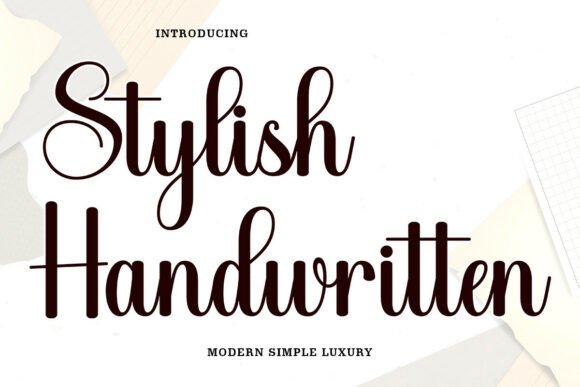
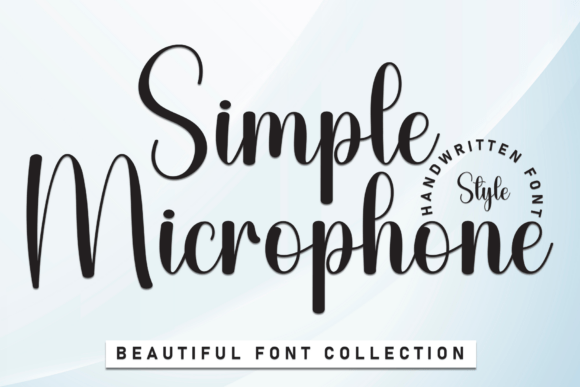
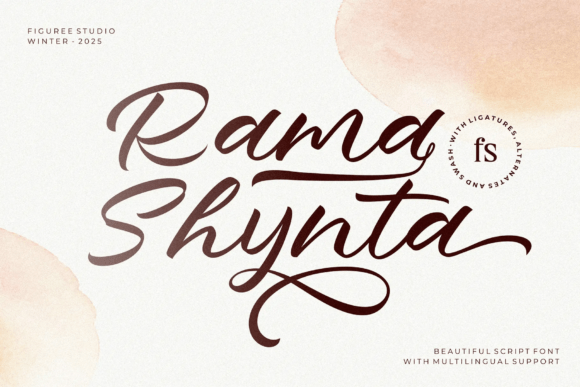
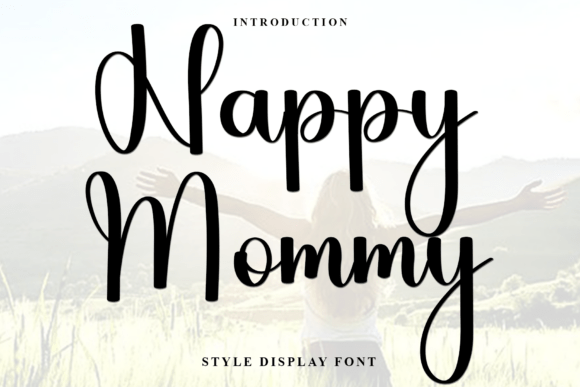
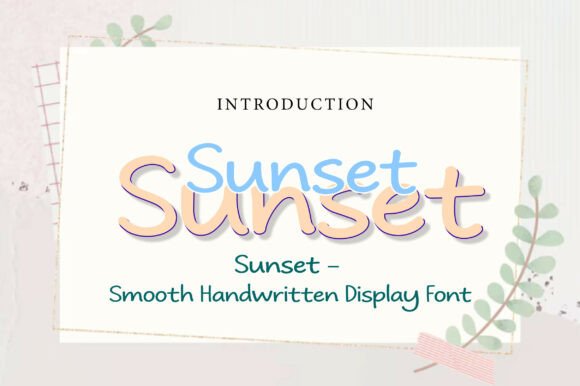
At its core, Sunset is a premium script font that leans into the beauty of authentic, casual handwriting. The strokes aren’t mechanically perfect; they have a natural ebb and flow, a gentle pressure variation that mimics pen on paper. The curves are soft, not sharp, and the connections between letters feel organic. This isn’t a font trying to be a formal calligraphy style. Its charm lies in its modern handwritten aesthetic—clean, legible, and approachable. Think of it as the typographic equivalent of a relaxed, confident signature on a personal note. The distinct letterforms ensure each character is recognizable, which is crucial for logo design and brand identity work where clarity is non-negotiable.
Practical Applications: Where Sunset Truly Shines
The real test of any design asset is how it performs in the wild. Sunset’s versatility is its greatest strength. Its personality adapts to the context, making it a workhorse for a multitude of projects.
Branding and Identity
For small businesses, especially in lifestyle, wellness, artisan food, or boutique retail, Sunset can become the cornerstone of a brand identity. It lends a human, trustworthy feel to a logo. Imagine it paired with a simple sans-serif font for body text on a website or business card—the contrast creates visual interest while maintaining a cohesive, friendly vibe. It’s perfect for creating a brand voice that feels personal, not corporate.
Packaging and Product Design
On a coffee bag, a candle label, or a craft soap wrapper, Sunset adds that crucial touch of artisanal quality. It tells the customer there’s care and craftsmanship behind the product. Its readability at smaller sizes makes it functional for ingredient lists or instructions, while its style elevates the entire packaging design from mere container to part of the unboxing experience.
Digital Presence and Content
This is where Sunset feels most at home. For social media graphics—Instagram quotes, Pinterest pins, Facebook headers—it adds warmth and stops the scroll. Its casual elegance makes quotes feel more inspiring and call-to-actions more inviting. On a blog, it’s ideal for post titles or pull quotes, breaking up text and guiding the reader’s eye. For web design, using it sparingly in headers or accent text can inject personality without sacrificing the clean functionality needed for user navigation.
Print and Editorial
Don’t limit it to the screen. Sunset translates beautifully to printed materials. Think greeting cards, wedding invitations, workshop flyers, or menu designs. In editorial design, like a magazine feature or a lookbook, it can be used for headlines or captions to add a personal, narrative touch. Its commercial font licensing means you can confidently use it for client projects and merchandise, from tote bags to poster prints.
Pairing and Practicality: Making Sunset Work for You
Choosing a font is only half the battle; knowing how to use it is the other. Here’s some practical advice for integrating Sunset into your workflow.
1. Choose the Right Style: Most quality font families like this come with multiple styles. Look for weights (Light, Regular, Bold) and potentially stylistic alternates or ligatures. A Bold weight is excellent for impactful headlines, while a Light or Regular is better for shorter lines of text or subtitles. Always review the full character set before purchasing.
2. Master the Font Pairing: Sunset, as a display font or script font, needs a partner. The rule of thumb is contrast and balance. Pair it with a clean, neutral serif or sans-serif font. A geometric sans-serif like Montserrat or a classic serif like Lora can provide the perfect, stable foundation for Sunset’s expressive personality. Avoid pairing it with other highly decorative scripts.
3. Prioritize Readability: This is paramount. While Sunset is legible for a script, it’s not meant for long paragraphs of body text. Use it for headlines, short phrases, logos, and accents. Ensure there is enough contrast between the text and background color, and consider line spacing (leading) carefully, as script fonts often benefit from a bit more breathing room.
4. Test in Context: Before finalizing a design, test the font in its intended environment. How does it look on a mobile screen versus a printed brochure? Does it hold up when scaled down on a business card? How does it look in a dark-mode color scheme? This testing phase is crucial for ensuring visual consistency across all touchpoints.
The Final Stroke: A Timeless Tool for Modern Creators
In a landscape saturated with either stark minimalism or loud maximalism, Sunset carves out its own space. It’s a font that doesn’t follow trends blindly but instead offers a timeless, human quality. It improves professional presentation not by being flashy, but by being thoughtfully crafted. It boosts audience engagement because it feels relatable and genuine. For the designer, entrepreneur, or creator, it’s more than just a typeface—it’s a tool for building connection. It’s the quiet confidence in a brand’s voice, the welcoming smile of a product on the shelf, and the personal touch in a digital message. Like the sunset it’s named for, it’s a beautiful, fleeting moment made permanent in your work.