Oscor: Where Calligraphic Grace Meets Modern Serif Design
There's a particular tension in contemporary design—the pull between the warmth of handcrafted lettering and the clean precision of digital type. Most fonts force you to choose. Oscor doesn't. This typeface occupies a rare middle ground, carrying the fluidity of calligraphy within a structured serif framework. The result feels both familiar and unexpected, like discovering a handwritten note tucked inside a beautifully typeset book. For designers, brand builders, and creative professionals searching for a premium font that communicates sophistication without stiffness, Oscor deserves a closer look.
What Makes This Typeface Feel So Distinct
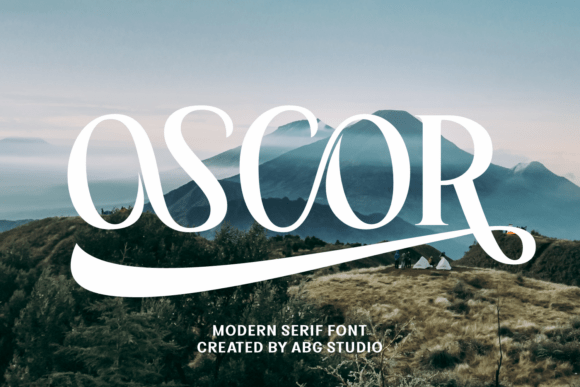
Oscor's personality lives in its details. The letterforms carry a classic serif skeleton—visible in the subtle bracketing and refined terminals—but the stroke modulation borrows generously from script and handwritten traditions. You'll notice it in the way certain connections flow, almost like cursive, and in the alternates that give designers room to customize the rhythm of a word or phrase.
The ligature style is where Oscor truly shines. Pairs that might feel awkward in a conventional serif dissolve into elegant, intentional connections. This isn't decorative for the sake of decoration; it solves a real design problem. When you're setting a brand name on packaging or a headline on a poster, those seamless joins create visual cohesion that a standard serif simply can't replicate.
Then there are the stylistic alternates. Some carry a retro vibe—think mid-century editorial layouts—while others lean into a more contemporary, minimalist aesthetic. This range means a single typeface can shift its mood depending on context, which is invaluable when you're working across multiple touchpoints for a brand or project.
Where Oscor Earns Its Place in Real Projects
Let's talk applications, because a beautiful font only matters if it works where you need it.
Brand identity and logo design. Oscor's blend of vintage charm and modern sophistication makes it a strong candidate for brands in fashion, beauty, wellness, lifestyle, and boutique hospitality. A skincare line, a floral studio, a high-end bakery—these are spaces where the font's feminine elegance and signature-style character feel authentic rather than forced. For logo work, the alternates and ligatures let you craft a wordmark that feels custom without commissioning hand-lettering from scratch.
Packaging design. On a label or box, Oscor reads as premium. Its serif structure ensures legibility at smaller sizes, while the script-influenced details add tactile warmth. Think candle boxes, artisan chocolate wrappers, or wine labels. The font bridges the gap between "this looks expensive" and "this looks approachable."
Social media graphics and digital content. Instagram, Pinterest, and TikTok visuals demand immediate attention. Oscor's charismatic appeal—especially in display sizes—stops the scroll. It pairs well with clean sans serif fonts for body text, creating a hierarchy that feels polished without being stuffy. Bloggers, influencers, and content creators working in fashion, travel, or lifestyle niches will find it particularly useful for quote graphics, story templates, and promotional posts.
Wedding invitations and event stationery. This is arguably Oscor's sweet spot. The calligraphic undertones give invitations a romantic, handcrafted feel, while the structured serif framework keeps everything legible and balanced. Save-the-dates, menus, place cards, and thank-you notes all benefit from this duality.
Editorial and magazine layouts. Feature headlines, pull quotes, and section dividers in print or digital publications gain instant character. Oscor works beautifully in editorial design where you want typography to carry emotional weight—not just convey information.
Website headers and digital products. For web design, Oscor excels in hero text, landing page headlines, and product titles. It's less suited for long-form body copy—pair it with a readable sans serif for that—but as a display font, it elevates the perceived quality of an entire page. E-books, digital planners, and online course materials also benefit from its refined presence.
Practical Guidance for Using Oscor Well
Understanding a font's strengths is only half the equation. Knowing how to deploy it effectively is what separates good design from great design.
Start with your project's emotional target. Before picking any typeface, clarify the feeling you want to evoke. Oscor leans romantic, luxurious, and artisanal. If your project calls for rugged, industrial, or hyper-technical energy, this isn't the right fit. But if sophistication, warmth, and elegance are on the brief, it's worth testing.
Test font pairings early. Oscor's display nature means it needs a complementary workhorse. A geometric sans serif like Montserrat or a clean grotesque like Work Sans creates a balanced contrast. Avoid pairing it with other ornate scripts or decorative fonts—you'll create visual noise instead of hierarchy. Set a mock headline with Oscor, then place your body text beside it. If the two fonts feel like they're competing, adjust.
Respect readability limits. At large display sizes, Oscor's details sing. Shrink it below 18 points, and some of those ligatures and alternates may muddy. Use it for headlines, titles, and short phrases. For anything longer—captions, paragraphs, fine print—switch to a simpler companion font. This isn't a limitation; it's how display fonts are designed to function.
Explore the included styles deliberately. Premium fonts like Oscor typically ship with multiple weights, alternates, and ligature sets. Don't just install and start typing. Open the character map or your design software's glyph panel. Browse what's available. You might discover a swash capital or an alternate lowercase "g" that transforms your layout. The designers who get the most from Oscor are the ones who explore its full range.
Consider commercial licensing. If you're using Oscor for client work, merchandise, or products you sell, verify the license terms. Most premium font licenses distinguish between personal and commercial use. Some cover unlimited projects; others charge per client or per product run. Understanding these terms upfront protects you legally and ensures your investment is sound. This is especially relevant for small business owners producing packaging, printed goods, or branded merchandise at scale.
Beyond the Font: Building Visual Consistency
A typeface like Oscor doesn't exist in isolation. It becomes part of a broader visual system—your brand identity, your marketing assets, your product presentation. The real value emerges when you use it consistently.
Choose Oscor as your primary display font, then build a small, intentional typography system around it. Define which sizes, weights, and pairings you'll use for different contexts: social media headers, website hero text, print materials, internal documents. Document these choices in a simple style guide, even if it's just a single page. This discipline creates recognition. Your audience starts associating that distinctive letterform with your brand before they even read the words.
For entrepreneurs and small business owners especially, this kind of visual consistency signals professionalism. It tells your audience you've invested care in how you present yourself. In crowded markets—fashion, beauty, food, lifestyle—that attention to detail becomes a competitive advantage.
Oscor gives you the tools. What you build with them depends on the clarity of your creative vision and the intentionality of your execution. Used thoughtfully, this typeface doesn't just decorate your designs—it defines them.