Injecting Playful Energy with the Floppy Font
There is a specific kind of energy that vintage Saturday morning cartoons possessed—a bouncy, elastic quality that made everything feel alive. If you have been hunting for a typeface that captures that specific brand of chaotic fun for a modern audience, you likely understand the struggle. Many "fun" fonts end up looking either too childish or too messy to be practical for professional work. However, finding a typeface that balances whimsy with legibility is a game-changer for branding and merchandise. This is where a specific premium font named Floppy enters the conversation, offering a solution for designers who need personality without sacrificing clarity.
Anatomy of a Bouncy Typeface
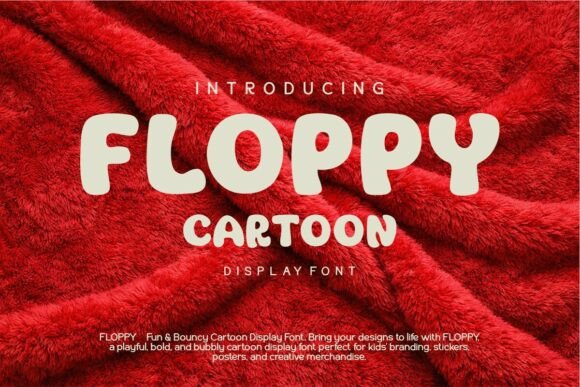
At its core, Floppy is a display font designed to command attention. It is not meant for body text in a novel; rather, it is built for headers, logos, and headlines where impact is the primary goal. The design relies on soft, rounded edges and irregular baselines to create a sense of motion. When you look at the letterforms, you will notice that the letters don't sit in a perfectly straight line. This intentional "imperfection" mimics the hand-drawn quality of classic animation, giving your text a custom-drawn feel that rigid, geometric fonts cannot replicate.
The visual appeal lies in its chunky weight and modern typography sensibilities. Unlike some retro fonts that feel dated, this typeface bridges the gap between nostalgic cartoon aesthetics and contemporary streetwear design. It features thick strokes that ensure high readability, even when used at smaller sizes on mobile screens or from a distance on physical posters. It is a creative font that manages to be loud without being aggressive, making it a versatile tool in any designer’s kit.
Matching Typography to Your Brand Identity
Choosing the right typeface is a critical step in defining a brand identity. The fonts you select speak volumes about your company's personality before a customer reads a single word of copy. If your brand voice is approachable, energetic, and friendly, a stiff serif font or a cold sans serif font might send mixed signals. Floppy works exceptionally well for businesses that want to project warmth and approachability.
Consider the following industries where this style of typography shines:
- Children’s Education and Toys: The rounded edges are visually safe and inviting for younger audiences.
- Food and Beverage: Particularly for bakeries, candy shops, or snack brands, the "chewy" visual texture of the letters complements the product.
- Creative Studios: Agencies specializing in illustration or animation can use this font to showcase their playful side immediately.
- Merchandise and Apparel: The bold weight holds up well on fabrics, making it ideal for t-shirt designs, tote bags, and caps.
When building a logo design, you want a font that scales well. Floppy’s thick construction ensures that it remains distinct whether it is embroidered on a polo shirt or printed on a massive billboard. It offers the kind of visual consistency that helps customers recognize your brand instantly across different mediums.
Practical Applications for Digital and Print
The versatility of a display font is measured by how well it adapts to different environments. Floppy proves to be a robust design asset across both digital and physical landscapes. In the realm of digital content, the font is a powerhouse for engagement. Social media platforms are crowded, and static text often gets scrolled past. Using a font with a dynamic rhythm can stop the scroll.
For social media graphics, particularly on platforms like Instagram and TikTok, Floppy can be used for YouTube thumbnails or cover arts to create an immediate sense of excitement. Its high legibility ensures that your message is understood in the split second a user glances at their feed. It is also highly effective for web design, specifically for hero sections or call-to-action buttons where you need to draw the eye.
Transitioning to print design, the font excels in materials that require a festive atmosphere. Think about birthday invitations, school flyers, or event posters. These materials need to convey energy and fun instantly. Floppy handles this effortlessly. It is also an excellent choice for packaging design, especially for products targeting a Gen Z or Millennial demographic that appreciates a blend of irony, nostalgia, and bold graphic design. Whether it is a label for a craft soda or a box for a board game, the typography sets the stage for the unboxing experience.
Pairing and Professional Presentation
One of the most common questions regarding creative fonts is how to pair them. A font like Floppy, with its strong personality, can easily overwhelm a layout if not handled correctly. The key to professional editorial design is contrast. Because Floppy is decorative and bold, it pairs best with a clean, neutral companion font.
For body text or secondary information, consider using a simple sans serif font with a regular weight. This allows the headers to pop while keeping the longer paragraphs easy to read. Avoid pairing it with a script font or handwritten font, as the competing styles can make the design look cluttered and confusing.
Here is a practical tip for font pairing: Set your headline in Floppy and your sub-headline in a medium-weight sans serif. If the visual hierarchy is clear, you have a successful pairing. This approach ensures that your marketing assets look polished and intentional rather than chaotic. Professional presentation is about control; you want the "playful" vibe to look like a deliberate choice, not a happy accident.
Strategic Use of Commercial Fonts
When sourcing design assets for commercial projects, licensing is a non-negotiable consideration. Using a commercial font like Floppy means you are purchasing the rights to use the typeface in for-profit work. This is distinct from personal-use fonts often found on free directories. For entrepreneurs and small business owners, investing in a premium font is a safeguard against legal issues down the road.
Furthermore, premium fonts often come with better technical support and a wider range of glyphs. When you review the included styles of a typeface, look for alternates or ligatures that can help customize your text further. This allows you to tweak the typography so it feels unique to your specific brand identity, even if others are using the same typeface.
Ultimately, the goal of any visual asset is to facilitate connection. Whether you are designing a poster for a local event, creating graphics for a new app, or launching a line of merchandise, the typography you choose acts as the voice of your project. Floppy offers a voice that is confident, happy, and impossible to ignore. By integrating this typeface into your workflow, you are not just picking a font; you are adopting a tone that resonates with audiences looking for a bit of joy in their visual landscape.