Outline Display: A Playful Font for Creative Projects
Imagine a font that feels like a friendly invitation to color inside the lines—or maybe to color outside them entirely. That’s the immediate impression of Outline Display. It’s not just a collection of letters; it’s a visual tool built for projects where clarity, approachability, and a touch of whimsy are non-negotiable. For anyone creating materials for children, educational settings, or brands that want to radiate warmth and energy, this typeface offers a distinct solution that goes beyond standard typography.
More Than a Pretty Face: The Anatomy of a Friendly Typeface
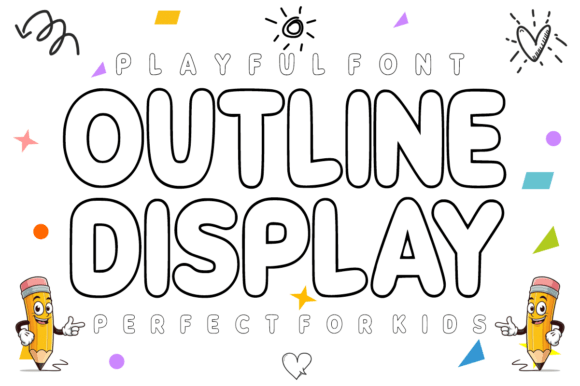
At its core, Outline Display is a display font characterized by its bold, rounded forms and a clean "hollow" outline style. This design choice is fundamental to its appeal. The outlined characters create a built-in visual activity, suggesting coloring, tracing, or filling in. The rounded terminals and open counters ensure each letter is instantly recognizable, which is critical for early readers and for maintaining readability at various sizes. Unlike a dense, solid sans serif font, the outlined style adds a layer of texture and dimension without sacrificing legibility. It’s a modern typography choice that feels contemporary yet timeless in its playful intent.
This isn't a font that tries to be everything. Its personality is decidedly energetic and youthful. Think of it as the visual equivalent of a cheerful greeting. That specificity is its strength. When you choose Outline Display, you’re making a deliberate choice to set a particular tone for your brand identity or project. It communicates fun, accessibility, and creativity before a single word is read.
From Classroom Walls to Custom Apparel: Where This Font Truly Shines
The real test of any creative font is its versatility in application. Outline Display excels in environments where engagement is the primary goal. For educators and creators of teacher resources, it transforms mundane worksheets into interactive activities. Flashcards become more memorable, and classroom posters capture attention with their friendly, approachable aesthetic. The font’s structure naturally invites interaction, making it ideal for coloring pages, tracing guides, and educational games.
Beyond the classroom, its utility extends powerfully into merchandise and packaging design. For a children’s clothing brand, using Outline Display on a T-shirt or a school bag does more than just label an item—it makes the item itself part of the play experience. The font is a perfect candidate for logo design for businesses in the toy, children’s publishing, or family entertainment sectors. Its outlined form is also exceptionally well-suited for cutting machines like Cricut and Silhouette. The clean, single-weight outline translates perfectly to vinyl cuts, stickers, and decals, eliminating guesswork and ensuring crisp results for crafters and small businesses producing custom goods.
Integrating Playful Typography into a Cohesive Brand Strategy
Using a font like Outline Display effectively requires strategic thought. It’s a powerful tool, but like any tool, it works best when applied to the right job. A common pitfall is overuse. Because it is so distinctive, it can overwhelm a design if used for lengthy paragraphs or in contexts that demand a more serious tone. The key is to use it as an accent—a headline font, a logo element, or for key callouts—paired with a simpler, highly legible body font. A clean serif font or a straightforward sans serif font for body text can create a balanced hierarchy, allowing Outline Display to inject personality without sacrificing readability.
Consider your project’s primary goal. Are you designing social media graphics for a parenting blog? Outline Display can make quotes and announcements pop with energy. Are you creating invitations for a child’s birthday party? It sets the perfect celebratory mood. For editorial design in a family-oriented magazine, it can be used for section headers or pull quotes to guide the reader’s eye and break up content visually. The font’s strength lies in its ability to create focal points that are inherently engaging.
Practical Considerations: Making the Font Work for You
Before diving into a project, a few practical steps will ensure success. First, always review the full character set of any premium font. Outline Display likely includes a range of glyphs, alternates, or even stylistic sets that can add further customization. Exploring these options can help you avoid repetition and tailor the font to your exact needs.
Second, font pairing is not an afterthought; it’s a crucial part of the design process. Spend time testing combinations. How does Outline Display look next to your chosen body copy? Does the size and weight contrast create a clear, pleasing visual flow? Tools within design apps like Canva, Procreate, and Adobe Illustrator make this testing process straightforward. Zoom out and see how the typeface reads on a screen or a printed page from a distance. Its outlined nature, while friendly, can become less distinct if set too small.
Finally, understand the licensing. If you’re using Outline Display for commercial projects—like selling merchandise, designing client logos, or creating products for sale—ensure you have the correct commercial font license. This is a fundamental part of professional practice and protects both you and the font’s creator. Most reputable font marketplaces provide clear licensing terms, so review them carefully before finalizing your design assets.
Ultimately, Outline Display is more than just another option in a font library. It’s a purpose-built design asset that communicates a specific, valuable message. In a world saturated with generic visuals, its distinct personality can help your educational materials, your children’s brand, or your creative projects stand out with authenticity and charm. It’s a reminder that the right typography doesn’t just present information—it creates an experience.