Kinder Classroom: Where Whimsy Meets Purpose in Your Designs
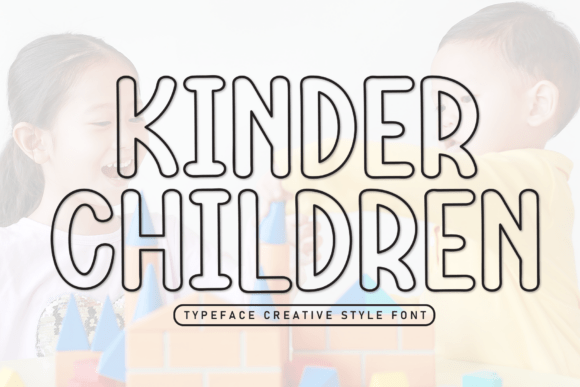
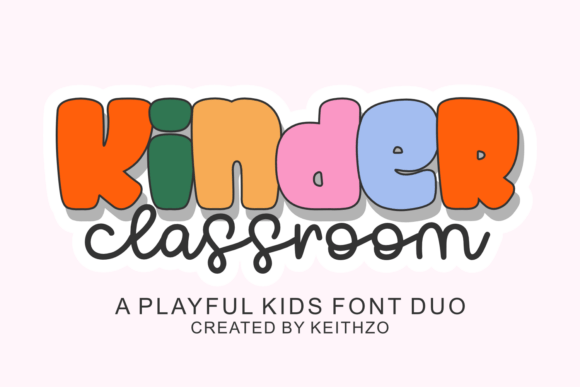
There’s a particular feeling you get when you open a box of brand-new crayons. That immediate rush of possibility, the vibrant potential waiting to be scribbled onto paper. Finding a font that captures that same spirit—a blend of playful nostalgia and fresh, clean energy—is surprisingly rare. The Kinder Classroom font duo does exactly that, offering designers and creators a toolkit that feels both familiar and excitingly new. It’s more than just letters on a screen; it’s a direct line to the joy and imagination of childhood, packaged in a professional-grade asset ready for your most creative work.
At its core, this is a thoughtfully crafted pair. You get a lively, bouncy script that mimics the confident, slightly imperfect charm of a teacher’s handwritten notes on a chalkboard or a child’s eager signature. Paired with it is a clean, rounded sans-serif companion that provides perfect balance and readability. This duo structure is its secret weapon. The script brings the personality and warmth, while the sans-serif offers clarity and structure. Together, they create a visual conversation that feels dynamic and complete, solving the common design headache of finding two fonts that actually work in harmony. Think of it as a ready-made brand voice in typographic form.
Beyond the Classroom: Real-World Applications for This Playful Pair
So, where does a font like this actually fit? The name might suggest educational materials, and it’s certainly brilliant for that—think classroom posters, parent newsletters, and playful worksheets. But its utility stretches far beyond the school gates. This is a premium font that thrives wherever a brand wants to communicate approachability, creativity, and genuine warmth.
For a small business owner launching a line of handmade children’s clothing, Kinder Classroom can become the cornerstone of their brand identity. Use the script for the logo to convey a personal, handcrafted feel, and the sans-serif for product tags and website navigation to keep everything legible and clean. A local bakery could use it on packaging design for cookie boxes and cupcake sleeves, instantly making the product feel more whimsical and homemade. On social media graphics, it’s a standout. The script pulls viewers into Instagram Stories with a personal, inviting tone, while the sans-serif makes sure your call-to-action in a Facebook ad is crystal clear.
The applications are wonderfully diverse:
- Logo Design & Brand Identity: Create a logo that feels friendly and memorable. Use the duo consistently across business cards, letterheads, and invoices for instant recognition.
- Editorial & Blog Design: Break up long blocks of text. Use the sans-serif for body copy and the script for beautiful, pull-quote callouts or section headers that draw the eye.
- Packaging & Merchandise: Add a touch of charm to product labels, tote bags, mugs, and stickers. It makes any physical item feel more special and curated.
- Digital Products & Marketing: Design engaging e-book covers, online course materials, or email newsletter headers that feel less corporate and more human.
- Events & Invitations: Perfect for birthday party invites, baby shower announcements, or school event flyers that need to convey excitement and fun.
Making It Work: Practical Tips for Using a Display Font
A font with this much character is a powerful tool, but like any tool, it requires a bit of know-how. The goal is to harness its charm without sacrificing professionalism or clarity. Here’s how to get the most out of it.
Prioritize Readability, Always. The bouncy script is fantastic for headlines, short phrases, and logos. However, setting an entire paragraph in the script style would be a readability nightmare. Reserve it for display purposes—where you need to make an immediate emotional impact. Use the included sans-serif for longer text, descriptions, and any information that needs to be absorbed quickly. This balance is key to a professional presentation.
Test Your Pairings. While Kinder Classroom is designed as a duo, you can also explore pairing it with other fonts. The clean sans-serif would pair beautifully with a simple, geometric sans-serif for a more modern look, or even with a classic serif for a touch of unexpected elegance in an editorial layout. Always mock up your text in context—on a website header, a product mockup, or a social media post template—to see how it truly performs.
Understand the Included Styles. A high-quality font duo like this often comes with more than just the basic letters. Look for included extras like ligatures (special character combinations), alternates (different versions of the same letter), and possibly swashes or decorative elements. These are the details that can elevate a design from good to great, allowing you to customize the text and make it uniquely yours. Experiment with them in your logo or headline to add that extra touch of personality.
Check the Licensing. This is a crucial, often overlooked step. For any commercial project—whether you’re designing for a client, selling merchandise, or creating digital products—you need to ensure you have the correct license. Most premium font licenses are very reasonable and allow for extensive commercial use, but it’s always your responsibility to review the terms. This simple check protects you and respects the work of the type designer.
The Emotional Impact of Thoughtful Typography
Ultimately, the Kinder Classroom font duo does something subtle but powerful: it builds an emotional bridge. In a digital landscape often dominated by sterile, impersonal interfaces, a font that feels human and joyful can be a genuine differentiator. It tells your audience, "There’s a real person here who cares about the details, who values creativity, and who wants to connect with you on a more personal level."
For a marketer, this means higher engagement. A social media post set in a warm, inviting typeface is more likely to stop the scroll and feel relatable. For a content creator, it means building a stronger, more recognizable personal brand. Your blog or YouTube channel’s visuals become an extension of your voice. For a designer, it’s about adding a versatile and emotionally resonant asset to your toolkit—one that can solve client briefs asking for "friendly," "whimsical," or "approachable" with confidence.
Choosing a typeface is never just about aesthetics; it’s about communication. The right font sets the tone before a single word is read. Kinder Classroom offers a specific tone: one of optimism, creativity, and heartfelt charm. By understanding its personality and applying it with thoughtful strategy, you can transform ordinary projects into something that truly resonates, leaving a lasting impression that feels both professional and wonderfully human.