Kinder Children: Where Playful Elegance Meets Creative Clarity
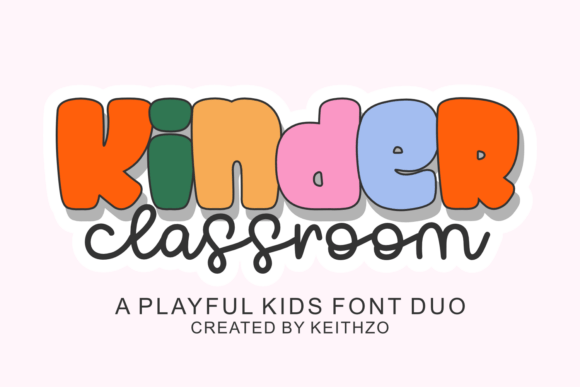
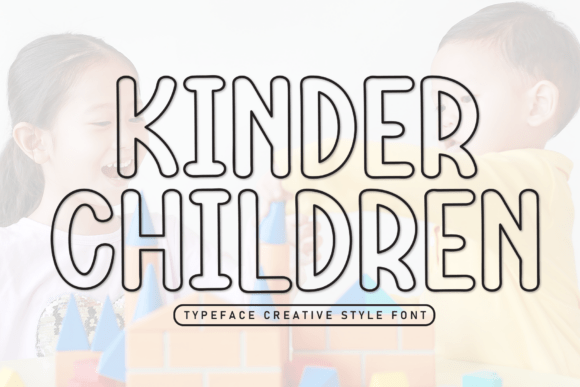
There’s a particular kind of warmth that radiates from a hand-sketched line. It’s the slight wobble of a pencil, the gentle pressure of a pen, the inherent humanity in a form that isn’t perfectly geometric. This is the feeling captured in the Kinder Children display font—a typeface that doesn’t just sit on a page but seems to breathe, smile, and invite you in. It occupies that sweet spot between charming and professional, offering a visual language that feels both approachable and thoughtfully crafted.
For anyone building a brand, designing an invitation, or creating marketing materials, the challenge often lies in finding a typeface that conveys personality without sacrificing clarity. Kinder Children answers this by blending a whimsical, hand-lettered aesthetic with a surprisingly sturdy structure. The letterforms have a friendly, rounded quality, with playful variations in stroke weight that mimic the natural rhythm of handwriting. This isn’t a chaotic scrawl; it’s a curated charm, designed to feel authentic while maintaining the legibility needed for real-world applications.
The Visual Heartbeat: More Than Just a Pretty Face
What makes this particular display font so visually compelling is its balance. The terminals are soft, the counters open, and the overall texture is invitingly tactile. It’s a typeface that suggests a story, a personal touch, or a moment of joy. This makes it an exceptional choice for projects where emotional connection is paramount. Think of the smile evoked by a child’s birthday card, the anticipation of a wedding invitation, or the friendly authority of a boutique shop’s logo. Kinder Children taps into that universal language of warmth.
Its versatility is key. While it’s undeniably a display font, meant for headlines, logos, and impactful statements, it doesn’t alienate. It’s not so ornate that it becomes unreadable. This careful design allows it to function beautifully across a spectrum of creative needs, from a bold logo mark to delicate accent text in a larger layout.
From Brand Identity to Packaging: Practical Applications
Let’s move from appreciation to application. How does a font like Kinder Children actually work in the wild? Consider a small business owner launching a line of artisanal baked goods. Using this font for their logo instantly communicates homemade quality, care, and a touch of nostalgia. It can extend seamlessly to packaging labels, business cards, and social media graphics, creating a cohesive and recognizable brand identity that feels personal and trustworthy.
For content creators and bloggers, it can become a signature element. Imagine it as the header font for a lifestyle blog, setting a tone that is friendly and engaging. It could grace the title pages of digital planners, the covers of downloadable guides, or the graphics for a podcast. The font does the heavy lifting of establishing mood, allowing the creator to focus on content.
- Invitations & Stationery: Wedding suites, baby shower invites, and thank-you cards gain a heartfelt, bespoke quality.
- Packaging & Labels: Perfect for cosmetics, artisan foods, children’s products, and any item where shelf appeal relies on approachability.
- Editorial & Publishing: Use for chapter titles, pull quotes, or section headers in magazines, books, and zines to add visual interest and guide the reader.
- Marketing Assets: Elevate social media quotes, sale announcements, email headers, and PDF worksheets with a burst of friendly energy.
- Merchandise & Products: Ideal for apparel prints, tote bag designs, mugs, and posters that aim for a fun, modern, and slightly retro vibe.
Harmonizing Type: Pairing for Professional Polish
A common pitfall with expressive display fonts is isolation. Using Kinder Children for every line of text would be overwhelming and detrimental to readability. The secret to leveraging its charm effectively lies in strategic font pairing. The goal is to let it sing as the star while supporting it with a reliable, neutral co-star.
A clean, modern sans-serif font is often the perfect partner. Think of a simple, geometric sans-serif for body text, captions, or detailed information. This contrast creates a clear visual hierarchy: the playful display font grabs attention and conveys the brand’s personality, while the sans-serif ensures the detailed content is easy to read. Alternatively, pairing it with a simple, open serif font can create a more classic, yet still friendly, editorial feel. Always test your pairings in context. View them at different sizes, on different backgrounds, and in the actual medium they’ll be used in—whether on a mobile screen or a printed brochure.
Strategic Choices: Licensing and Font Styles
When investing in a premium font for commercial work, two practical considerations are paramount: the included styles and the licensing terms. A well-designed typeface family often comes with variations—like different weights (light, regular, bold) or stylistic alternates (different ways to render a specific letter). These extras aren’t just bonuses; they’re tools. They give you flexibility to create nuanced designs without needing another font, maintaining visual consistency while adding emphasis or variety.
Equally important is understanding the commercial license. For any project that generates revenue—whether a client’s logo, a product you sell, or a website for your business—you must ensure you have the correct license. Reputable font foundries are clear about their terms. This isn’t just a legal formality; it’s an ethical practice that supports the designers who create these valuable assets and protects your own work from future complications.
In the end, choosing a typeface like Kinder Children is about more than aesthetics. It’s a strategic decision about the voice of your project. It’s selecting a tool that can consistently communicate joy, approachability, and creative care across every touchpoint. By pairing it wisely, using it with purpose, and respecting its design boundaries, you harness its quirks to build something that doesn’t just look good, but feels right and connects with your audience on a human level.