Progn: A Decorative Font for Headlines That Demand Attention
There are moments in design when a project needs to be more than just seen—it needs to be remembered. You're crafting a poster for a gallery opening, a logo for a new boutique, or the cover for a digital magazine, and the standard sans serif or elegant script just won't cut it. The typography has to carry a certain weight, a distinct personality that stops a viewer mid-scroll. This is the exact space where a typeface like Progn operates. It’s a decorative display font built for high-impact scenarios, designed not for long paragraphs of body text, but for the singular, powerful statement that defines an entire visual identity.
Understanding Its All-Caps Character
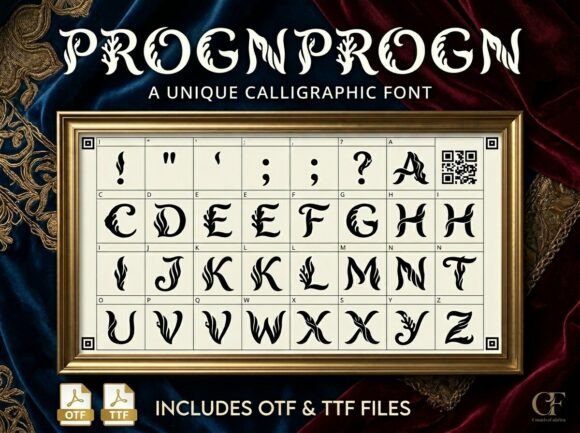
The first thing to know about Progn is its fundamental design choice: it is an all-caps typeface. This isn't a limitation; it's a deliberate feature. By focusing exclusively on uppercase letters, the designer has treated each character as a standalone piece of art. The forms are often more elaborate, with stronger visual weight and intricate details that might be lost or would compromise readability in a lowercase context. This makes it a specialist tool. Think of it like a bold, decorative initial capital letter stretched across an entire word. Its purpose is to create a visual anchor, a headline that commands the page or screen with unwavering presence.
Where This Display Typeface Truly Shines
Knowing its all-caps nature is key to using Progn effectively. Its strength lies in projects where brevity and visual punch are paramount. Consider these practical applications:
- Brand Identity & Logo Design: For brands in creative industries—fashion, art, music, or artisanal goods—a logo set in Progn can become an instant visual signature. It conveys confidence and a unique aesthetic, helping a business stand out in a crowded marketplace.
- Packaging Design: On a shelf, a product has seconds to make an impression. Using this font for the product name on a box, bottle, or bag can elevate the entire unboxing experience, suggesting premium quality and thoughtful design.
- Editorial & Poster Design: Magazine covers, event posters, and book jackets rely on powerful typography. Progn can set the tone for an entire editorial layout, drawing readers into a feature story or announcing an event with undeniable flair.
- Digital & Social Media Graphics: In the fast-paced world of social media, a bold, unique font can stop the scroll. It’s perfect for Instagram post titles, YouTube video thumbnails, or the hero text on a website landing page where you need to make an immediate impact.
- Merchandise & Invitations: From t-shirt designs to wedding invitations for a couple with a modern, artistic style, this typeface adds a layer of crafted detail that feels personal and intentional.
The common thread here is context. Progn is used for the title, the headline, the main call-to-action—not for the explanatory paragraph beneath it. It’s the marquee, not the fine print.
Pairing Progn for Professional Polish
One of the most important skills in typography is knowing how to combine fonts. A display font like Progn almost always needs a companion. Because it is so visually dominant, pairing it with a clean, neutral typeface creates balance and ensures your overall design remains legible and professional.
A classic and effective strategy is to combine this decorative display font with a simple sans serif or a subtle serif font. For example, a bold headline in Progn can be perfectly complemented by body text in a font like Lato, Open Sans, or a light-weight serif like Lora. The contrast allows the headline to perform its job—grabbing attention—while the secondary font handles the necessary information clearly and comfortably. When testing pairings, look for a contrast in weight, style, and complexity. Avoid pairing two highly decorative or similarly weighted fonts, as they will compete for attention and create visual clutter.
A Practical Checklist Before You Create
Before integrating a typeface like this into your workflow, a few practical considerations will ensure a smooth process:
- Project Suitability: Is your project's primary goal to make a bold, artistic statement? If you need a font for extensive reading, this isn't it. If you need a standout headline, you’re on the right track.
- Readability in Context: Even with display fonts, readability matters. Test the font at the size and in the environment it will be used. A complex design might look stunning on a large poster but become muddy when scaled down for a mobile screen.
- Font File Formats: The provided OTF and TTF files offer wide compatibility. The OTF file is generally preferred for advanced design software like Adobe Illustrator or InDesign, while the TTF ensures it will work on virtually any device or basic design application.
- Licensing: Always review the license that accompanies your font purchase. For any commercial project—whether it's a client's logo, merchandise for sale, or a monetized blog—the license must explicitly permit commercial use. This protects both you and the font creator.
Ultimately, a typeface is a tool, and a specialized tool like Progn is for specific jobs. Its value lies in its ability to inject a strong, consistent visual personality into a project. When used thoughtfully, in the right context and paired with the right supporting fonts, it becomes more than just letters on a page. It becomes a core component of a brand's visual language, helping to build recognition and convey a specific, creative ethos. For designers and creators seeking to break away from the ordinary, it offers a definitive way to make a mark that is both professional and profoundly artistic.